



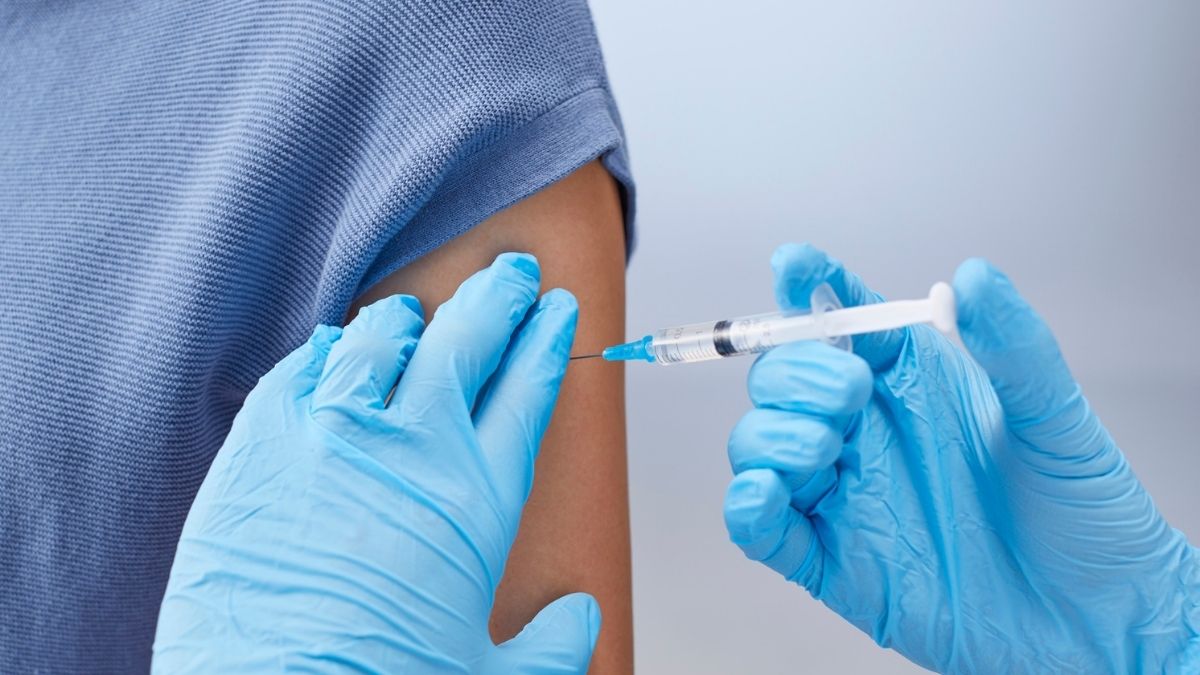
Illinois Health Officials Urge Residents to Check Measles Vaccination Status as Cases Rise (Chicago, IL) — The Illinois Department of Public Health is urging residents to review their measles vaccination records as the number of confirmed cases rises across the state, while emphasizing that the overall risk to the public remains low.
IDPH reported 23 confirmed measles cases in Illinois so far in 2026. The majority are connected to an outbreak in Douglas and Moultrie counties, where 16 cases have been identified. The outbreak involves people who were unvaccinated or whose vaccination histories were unknown.
Under the public health definition, an outbreak occurs when three or more cases are connected to a common source. Local health departments in the affected communities have responded with expanded vaccination efforts, increased public outreach and other measures intended to identify potential exposures and prevent additional transmission.
Other measles cases reported this year have occurred outside the Douglas and Moultrie County outbreak. IDPH said recent cases have also been identified in Kane and Madison counties.
State health officials are particularly focused on communities where vaccination rates are lower because measles can spread rapidly among people who do not have immunity.
“The key to preventing measles is the highly effective measles/mumps/rubella (MMR) vaccine, two doses of which are 97% effective in preventing measles,” IDPH Director Dr. Sameer Vohra said. “While Illinois is fortunate to have high vaccination rates overall, there are still areas across the state with lower vaccination rates where people are at high risk.”
Vohra said IDPH is continuing to work with local health departments to expand access to vaccines and coordinate strategies aimed at limiting the spread of the disease.
“To keep yourself and your loved ones safe, confirm you are up to date on the MMR vaccine and all other age-appropriate immunizations,” he said.
Measles is among the most contagious infectious diseases and can spread through the air when an infected person coughs or sneezes. It can also be transmitted through direct contact with respiratory secretions from an infected individual.
Although measles was declared eliminated from the United States in 2000, cases have returned in recent years as immunization rates have declined in some communities. The resurgence has prompted renewed attention from public health agencies, particularly when cases emerge in areas with lower vaccination coverage.
IDPH and local health departments have stepped up vaccination efforts in and around counties experiencing the current outbreak. Since the outbreak began in August, more than 200 MMR vaccinations have been administered with assistance from state and local public health efforts.
Those efforts include weekly vaccine events conducted by the Moultrie Local Health Department, along with expanded walk-in vaccination opportunities. The Coles Local Health Department is also providing walk-in vaccinations, while the Douglas Local Health Department is holding weekly community vaccine events and offering daily walk-in availability.
IDPH has additionally made grants available to local health departments experiencing increased measles activity. The funding is intended to help support vaccination campaigns and other response activities.

The state health department has also established weekly calls with local health departments in affected areas to coordinate the response and identify additional opportunities to increase vaccination coverage.
For most people, measles prevention centers on receiving the recommended two-dose MMR vaccination series. The first dose is generally administered at approximately 12 months of age, with the second dose typically given between ages 4 and 6, usually before a child begins school.
The second dose does not necessarily have to wait until a child reaches school age. According to IDPH, it can be administered as soon as 28 days after the first dose when appropriate.
A single dose of the MMR vaccine is approximately 93% effective at preventing measles, while two doses provide approximately 97% protection.
Health officials are also urging people who may have been exposed to measles to act quickly. Post-exposure prophylaxis, or PEP, can be provided to certain unvaccinated people age 6 months and older following an exposure. When administered promptly, PEP can prevent measles from developing or reduce the severity of the illness.
Anyone who is unvaccinated and believes they may have been exposed to measles should contact a health care provider or local health department immediately to determine whether PEP or other measures may be appropriate.
Because measles is highly contagious, public health officials may identify locations where an infected person was present when it is not possible to directly identify every person who could have been exposed. IDPH maintains an online list of potential exposure locations to help residents determine whether they may have encountered an infected individual.
Recent potential exposure locations identified by the state include Chicago’s Union Station and the Salt + Smoke restaurant in Edwardsville, among other locations.
Residents who believe they may have been exposed should monitor for symptoms and contact a health care provider or local health department for guidance. People should notify medical personnel before arriving at a health care facility if they suspect they have measles, allowing providers to take precautions to protect other patients and staff.
IDPH is encouraging Illinois residents to use its online resources to review measles-related information and vaccination data. The department maintains a Measles webpage with information about prevention, vaccination and potential exposures. It also provides a School Vaccination Coverage Dashboard and a Measles Outbreak Simulator Dashboard for residents and public health professionals.
While the state’s current measles risk remains low, IDPH officials say maintaining high vaccination coverage is critical to preventing isolated cases from developing into broader outbreaks. The department’s message to residents is straightforward: checking vaccination records and staying current on recommended immunizations remain among the most effective ways to protect individuals, families and communities from measles.
Illinois Health Officials Urge Residents to Check Measles Vaccination Status as Cases Rise