


Library Workers’ Health Coverage Divides Tinley Park Residents, Village Leaders (Tinley Park, IL) — Dana Lacoco described the library through the people who use it: seniors attending chair yoga, families visiting the renovated children’s floor and students filling study rooms.
The former library employee brought those examples to Tinley Park’s Oct. 20 Village Board meeting as residents challenged a decision that will separate library workers from the village’s health insurance plan in 2027.
Village leaders defended the change as a matter of assigning expenses to the agency responsible for them. Residents questioned whether that approach treated library employees fairly and adequately recognized the institution they serve.
The disagreement followed the library board’s rejection of a proposal requiring it to absorb approximately $290,000 in additional costs to remain on the village’s plan. The five village trustees present unanimously approved the village’s 2027 medical benefits agreements without library employees. Trustee William Brennan was absent.
The library was pursuing independent coverage.
The dollar amounts at the center of the dispute represent additional expenses, rather than the full price of insurance. Earlier reporting on the village’s Oct. 6 presentation established that the library already paid its own premiums. Village officials sought another $290,322 to cover the increase they attributed to keeping library employees in the combined group. A separate insurance option discussed at that meeting would increase the library’s premium expense by approximately $52,101.
For Lacoco, the debate raised questions about the village’s approach to both insurance and public service.
She pointed to the library’s programs, its busy facilities and improvements she said had been completed without an additional request of taxpayers. If comparable coverage was available elsewhere at a lower additional cost, she asked, why would the village not investigate that option for its entire workforce?
Trustee Kenneth Shaw, who chairs the Finance Committee, later corrected part of her premise. The village had not obtained the alternative quote, he said. Library staff had secured it and presented it to their own board.
“That was not something the village went out and found,” Shaw said.
Whether the alternative offered equivalent coverage also had been disputed. At the earlier meeting, a library employee raised concerns about changes to doctors and hospital access under the separate plan, according to the Daily Southtown.
Nicole Suarez, who said she had lived in Tinley Park for 16 years, argued that library employees were being singled out.
“To me, as a taxpayer, singling out a dedicated section of local public servants for healthcare exclusion or inflated costs seems unprecedented and discriminatory,” she told the board.
She supported the library board’s decision to seek another insurer.
“I fully support the library board and library administration’s wise, protective financial decisions,” Suarez said, “and I will not forget what has happened here.”
The exchange came less than three weeks after the village and library issued a joint statement describing productive discussions about insurance, shared services and formal agreements between the two taxing bodies.
That Oct. 1 statement anticipated including the library in the village’s 2027 insurance renewal, while making clear that final cost-sharing terms required approval from both boards. It also acknowledged several years of increased insurance expenses and committed the agencies to allocating costs more equitably.
Those discussions ultimately did not produce an agreement the library board would accept. In explaining its decision, the library cited the additional expense, uncertainty about future costs and limited time to evaluate the proposal, according to its statement reported by the Daily Southtown.
Shaw rejected suggestions that village officials were diminishing the library’s value or trying to harm its employees.

“We extended the offer,” he said. “We wanted them on the plan, but we wanted the expense to be paid for where the expense is generated.”
Mayor Michael Glotz likewise disputed the characterization that the village had simply refused coverage.
“The village, the last meeting, voted to let them stay in our plan,” Glotz said. “Only difference is, here’s what the costs are. You just have to pay what the costs are.”
Citing information from the village’s finance director, Glotz put the library’s fund balance at approximately $20 million and argued that it could afford the additional expense.
“It’s not fake money,” he said. “It’s real money.”
Both officials said the library provides valuable services. Their position was that recognizing those services did not resolve the question of which public agency should absorb the insurance increase.
The board also heard a separate appeal concerning public investment: Moraine Valley Community College’s proposed $115 million bond issue, which will appear on the Nov. 3 ballot for voters within the college district.
Dr. Ryen Nagle, the college’s vice president of academic affairs, said growing career programs need more space. Over five years, emergency medical services enrollment increased approximately 119%, welding enrollment rose 67% and automotive technology enrollment grew about 64%.
The proposal would finance construction, renovations and equipment for those programs, along with fire science, heating and air conditioning, automation and engineering technology. The college says its existing facilities limit further growth.
Nagle described the estimated change in annual taxes as minimal, approximately $1 for a typical home. The proposal would replace the college’s existing debt levy, which expires in December 2026, with a levy supporting the new borrowing. The college provides a calculator for residents to estimate the effect on their properties.
The meeting also recognized local businesses facing a more immediate financial strain.
The village’s Business Spotlight featured Gatto’s Italian Restaurant and Bar and neighboring Gatto’s Pizza on West 183rd Street. A co-owner thanked residents, village officials and customers for supporting the family businesses and their employees.
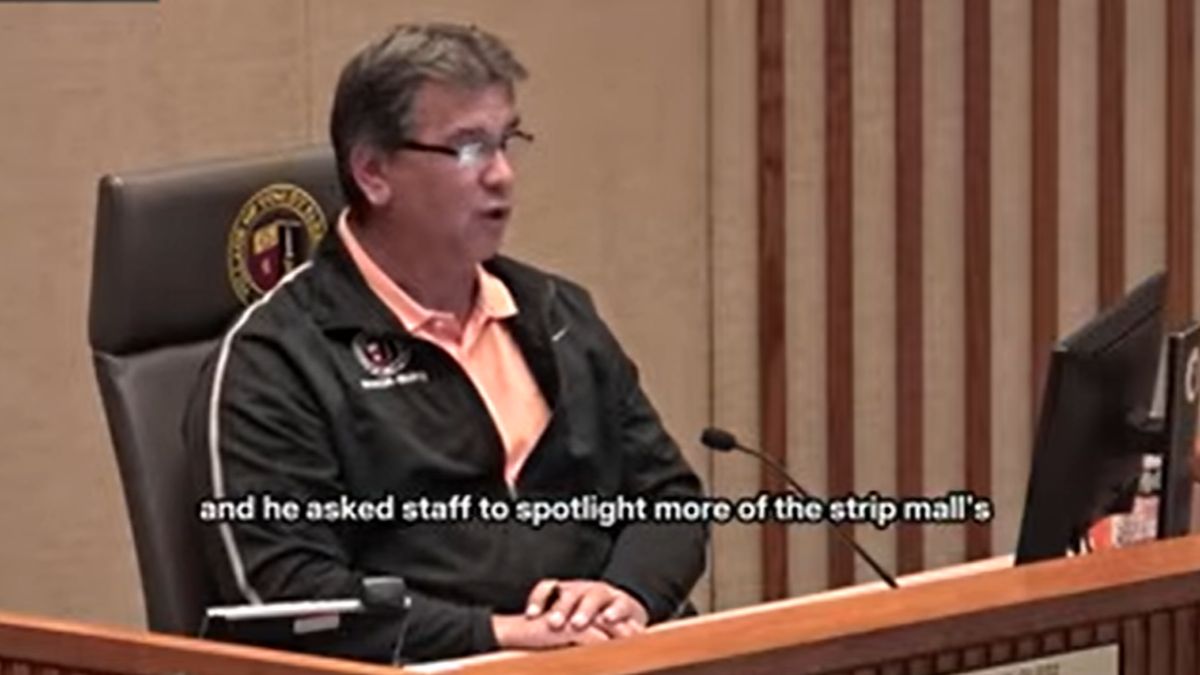
Glotz said construction near 80th Avenue and 183rd Street had hurt businesses throughout the corridor. He described interruptions to internet and telephone service after contractors cut utility lines, leaving some businesses unable to receive orders through their usual channels.
He asked staff to feature more businesses in the affected shopping center.
For restaurants already navigating roadwork, those connections carry a practical importance: a working telephone, an accessible entrance and customers willing to keep coming.
The business recognition also offered one of the evening’s quieter moments of gratitude.
“The support that we get from the community and what we get from the village,” the Gatto’s representative said, “I cannot extend my thanks so deeply from myself and my family and from my staff.”
Library Workers’ Health Coverage Divides Tinley Park Residents, Village Leaders