



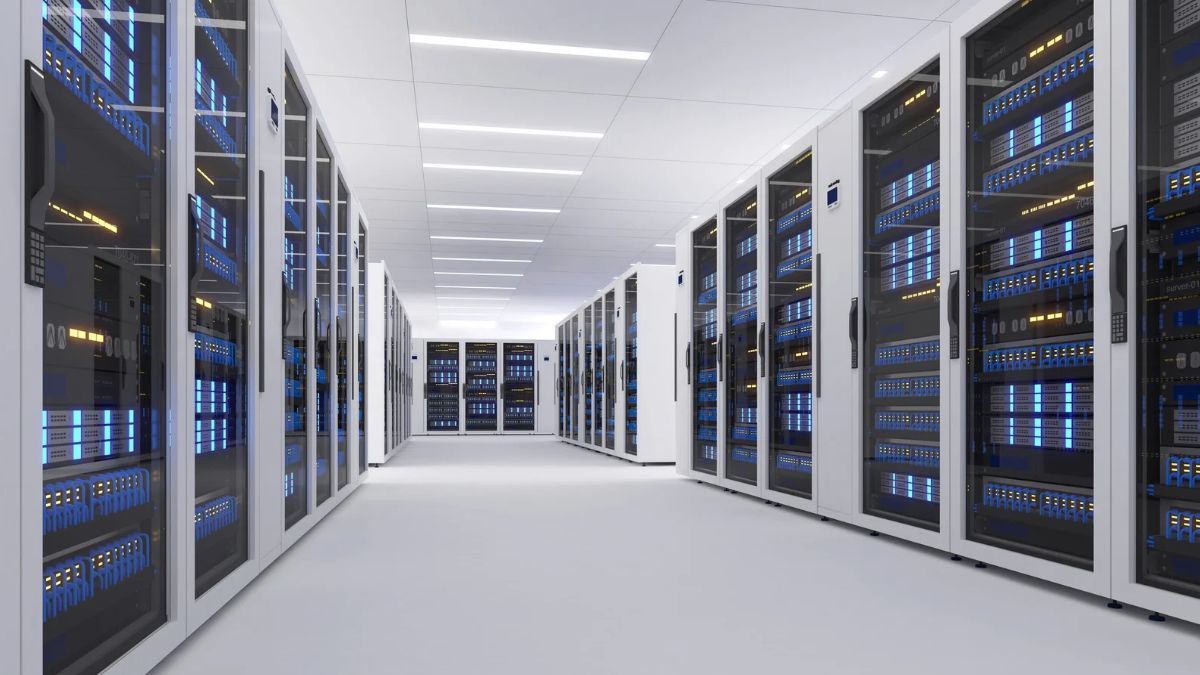
Illinois Consumers Face Billions in Hidden Power Costs to Subsidize Big Tech Data Centers (Chicago, IL) — As the rapid expansion of massive data centers continues to sweep across Illinois, everyday residents may find themselves footing the bill for the immense electrical infrastructure required to keep the facilities running. New records indicate that the fees collected from these data centers by Commonwealth Edison (ComEd) fall more than $2 billion short of the anticipated costs to connect them to the power grid, raising alarms among consumer advocates who warn that this financial burden will inevitably shift to ordinary ratepayers.
The looming financial threat was brought to light Thursday following an extensive review of utility records by public-interest organizations. According to these documents, ComEd expects to spend approximately $3 billion over the next few years to upgrade its transmission and distribution systems specifically to accommodate the immense power needs of data centers. However, the utility has collected only about $720.9 million in deposits from these proposed facilities. This massive discrepancy means that ComEd is preparing to spend exponentially more than it has secured in guaranteed payments, leaving its base of more than 4 million customers vulnerable to increased bills to cover the massive shortfall.
The situation highlights a growing tension between some of the world’s wealthiest technology corporations and everyday consumers who are currently battling a statewide affordability crisis. Spurred by surging demand projections for these energy-intensive facilities, ComEd’s electricity supply price has already spiked by roughly 50 percent compared to just two years ago. Beyond supply costs, residents face the prospect of increased transmission and delivery charges to fund grid expansions—costs they may be forced to bear even if the proposed data centers are never actually built.
“Data centers haven’t paid anywhere close to their fair share of the energy costs, and as a result everyday electric customers are potentially on the hook for billions in higher bills,” said Sarah Moskowitz, Executive Director of the Citizens Utility Board (CUB). “Illinois consumers potentially are bearing the burden for some of the wealthiest corporations in the world—it’s not right.”
The rapid proliferation of digital infrastructure has transformed Illinois into a national hub for the industry. As of April 2026, the state ranked fourth in the nation, trailing only Virginia, Texas, and California, with a total of 262 planned or currently operating data centers, according to the Pew Research Center. But this explosive growth has been met with fierce local resistance. Residents increasingly view these facilities as unwelcome interlopers that threaten clean water resources, environmental stability, and their personal utility bills.
To address the financial risks, ComEd recently introduced a “large-load tariff,” which included increased deposits for major energy users and established a “transmission service agreement” allowing them to pay off a portion of their interconnection costs over a period of time. While the Illinois Commerce Commission (ICC) approved these policies in April 2026, the regulatory body simultaneously admitted the rules were inadequate to fully shield existing electric customers from absorbing data center expenses. Consequently, the ICC initiated a new proceeding, Docket 26-0364, to explore stronger protections for small businesses and residential ratepayers.
During this proceeding, energy consultant James Fine provided stark expert testimony on behalf of multiple consumer advocacy groups. Fine analyzed a ComEd roster of 30 large-load projects that were either interconnected or had requested service between 2021 and 2031. While the infrastructure for these 30 projects alone was estimated at over $3 billion, the commitments and deposits secured covered just under 25 percent of the total cost.
“This leaves a very large gap,” Fine noted in his testimony, cautioning that the $3 billion estimate could easily balloon due to cost overruns or the omission of other facilities from ComEd’s calculations. Furthermore, advocates pointed out that this specific list failed to account for 60 additional large-load projects that have been proposed more recently, potentially driving the true cost even higher.
A coalition of environmental and consumer groups, including CUB, the Environmental Law & Policy Center (ELPC), the Natural Resources Defense Council (NRDC), Vote Solar, and the Union of Concerned Scientists, is now demanding that large facilities pay 100 percent of their grid-connection costs upfront to ensure everyday consumers aren’t left holding the bag.
The potential long-term financial exposure is staggering. James Gignac, Midwest Policy Director for the Union of Concerned Scientists, referenced prior analysis suggesting that the load increases driven by data centers could expose Illinois residents to up to $37 billion in supplementary electricity system costs. “While ComEd and the Illinois Commerce Commission are taking steps to shield customers from these costs, state legislators need to pass the POWER Act and ensure data centers pay upfront for their grid connection costs and don’t disappear later leaving everyone else with their bill,” Gignac stated.
The Illinois POWER Act aims to provide a comprehensive, statewide legislative solution to the crisis. Among its primary provisions, the act would require utilities to categorize data centers into their own distinct rate class, ensuring residential customers do not subsidize delivery costs. Additionally, the legislation seeks to mitigate supply-side price spikes by mandating that data centers bring their own new clean energy capacity to the grid, or face requirements to reduce usage during peak demand hours. To further protect the grid, Fine’s expert testimony also echoed the need for tariff mechanisms like minimum monthly fees, exit fees, and interruptible service requirements to prevent power grid overloads and preventable blackouts.
Despite widespread public backing, a statewide poll of likely 2026 voters showed about 70 percent overall support for the POWER Act, with over 90 percent supporting the specific requirement for data centers to pay their own costs. The General Assembly failed to advance the legislation during the 2026 Spring session.
However, the political tides appear to be shifting. Following the legislative stall, Governor J.B. Pritzker’s administration paused new tax incentives for data centers within the state. The administration also released a framework outlining how to protect consumers from energy costs related to the industry, a plan which closely mirrors the policies championed in the POWER Act. As advocates amplify their push in Springfield, they hope to firmly codify these protections before ordinary households are forced to bankroll Big Tech’s massive infrastructural footprint.
Illinois Consumers Face Billions in Hidden Power Costs to Subsidize Big Tech Data Centers