



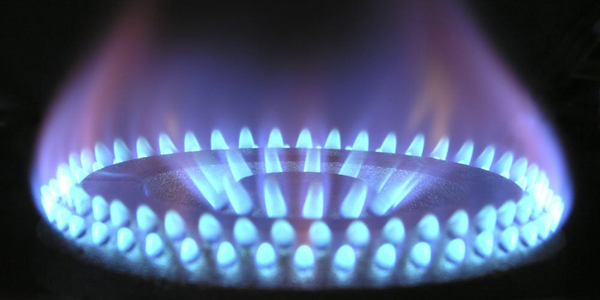
Chicagoland Black Chamber of Commerce Opposes Proposed Natural Gas Ban in New Construction ( Chicago, IL) — The Greater Chicagoland Black Chamber of Commerce is pushing back against a proposed ordinance that would ban natural gas in new buildings, warning that the measure could raise costs and hurt small businesses across Chicago.
Dr. Cornel Darden Jr., chairman of the Chamber, issued a statement Monday criticizing the “Clean and Affordable Buildings Ordinance” (CABO). The measure, which is being considered by the Chicago City Council, would require all new construction to use all-electric heating and appliances.
“While we all support the goal of a cleaner environment, this ordinance is a deeply inequitable policy that will function as a regressive energy tax on the very people who can least afford it,” Darden said. “It threatens to raise housing costs, kill jobs, and place an unbearable strain on our already fragile electric grid.”
According to the Chamber, the proposal raises three major concerns:
Rising housing and energy costs: The organization argues that forcing all-electric construction will drive up both upfront building costs and long-term utility bills. With the electric grid already under stress from data centers, Darden warned that “forcing all new buildings to use electricity for heat will cause demand to surge, leading to dramatically higher prices for everyone, especially seniors on fixed incomes and working families.”
Impact on small businesses: Independent businesses, particularly restaurants and laundromats, could be hit hard if natural gas is no longer an option. “This ordinance strips away their ability to choose the most affordable and effective energy source for their business, increasing their operating costs and threatening their survival,” Darden said.
Grid reliability: Shifting more heating demand onto electricity could worsen the risk of blackouts during extreme weather, the Chamber cautioned.
The Chamber is calling on city officials to reject CABO and instead pursue what it describes as a “balanced approach,” which includes upgrading infrastructure, improving energy efficiency, and considering alternatives such as renewable natural gas.
“The goal of a cleaner Chicago is one we all share,” Darden said. “But it should not come at the expense of affordability, reliability, and the survival of small businesses in our communities.”
Chicagoland Black Chamber of Commerce Opposes Proposed Natural Gas Ban in New Construction