



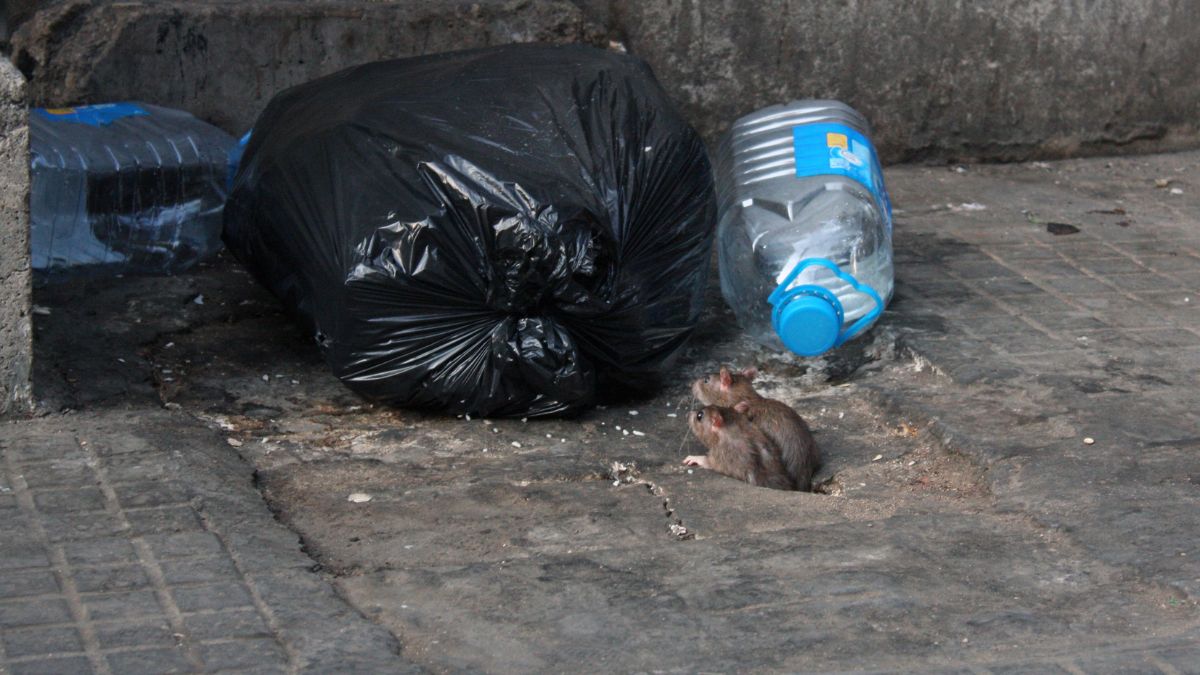
Chicago’s $12.5 million rat control ‘unlikely’ to work (via The Center Square) – The Chicago Department of Streets and Sanitation has promised to improve its rat control efforts, but an audit by the city’s Office of Inspector General found that integration with other city departments would be needed to achieve better long-term results.

The city’s 2026 budget allocates more than $12.5 million to the Bureau of Rodent Control.
OIG chief performance analyst Kevin Smith told The Center Square that the rat abatement program’s primary approach is responding to complaints or rat sightings by applying poison in burrows.
“While rodenticide poison is very effective at killing rats, the problem is is if you’re not eliminating the root causes, the access to food and to water and to shelter, a new generation of rats or maybe an infestation nearby is just gonna come in and fill the void, so you’re really not eliminating the problem,” Smith said.
Smith said Streets and Sanitation, the agency responsible for the rat abatement program and for collecting garbage, agreed to partner with other city departments to provide Integrated Pest Management training and guidance.
“Many rat populations live in sewers, and that is the responsibility of Water Management,” Smith said.
Smith said restaurant cleanliness is the responsibility of the Department of Public Health and residential infestations fall under the Department of Buildings.
Chicago previously launched at least three task forces to address both rat populations and root causes. None of the initiatives lasted, the audit said, without a formal structure for collaboration.
OIG reports have previously called out a lack of coordination among city departments, but Smith said Streets and Sanitation promised to implement the audit’s recommendations.
“They were a very constructive partner for us,” Smith said.
Smith said the challenge is not necessarily to eliminate rats.
“It’s about how you focus your resources so that you can reduce their levels to something that’s tolerable, so they’re having a lessened impact on folks’ quality of life and the economy,” Smith said.
In addition to spreading diseases, the audit said rats cause costly and dangerous damage by gnawing through concrete, pipes, wires, gas lines and vehicle components.
The audit authors encouraged the public to keep garbage contained in closed bins, ensuring dog waste is disposed in sealed containers and pet food is kept indoors. The report also recommended regularly harvesting fruits and vegetables from gardens and removing old tires, lumber and piles of debris.
Sean Reed contributed to this story
Chicago’s $12.5 million rat control ‘unlikely’ to work