



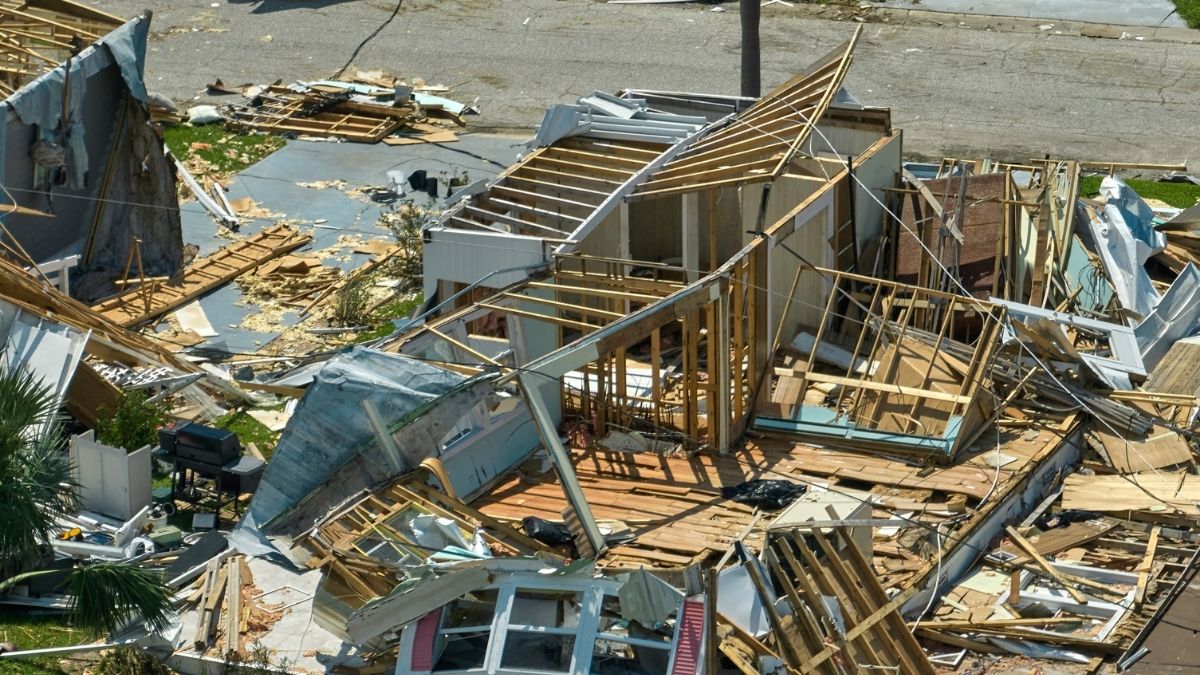
Op-Ed: Disaster Preparedness Month: Are you financially prepared to weather the unexpected? – September is National Disaster Preparedness Month, a time when families and communities across the country plan for unexpected emergencies.
Established by FEMA and observed annually, the campaign is designed to raise awareness about the many ways individuals, families, and businesses can strengthen their readiness in the face of the unexpected. This observance serves as a timely reminder that severe weather and natural disasters can strike without warning — bringing not only physical damage, but also financial stress that can ripple long after the storm has passed.
Just this summer, historic flooding swept through the Chicago area, damaging property, displacing families, and underscoring how quickly the unexpected can become reality. Some Chicagoans say they expect to spend $15,000 or more to repair damage stemming from the floods. These events are proof that even in communities not typically thought of as “disaster zones,” severe weather can take a devastating toll.
While most people think first about protecting their homes and belongings, fewer consider the financial implications that disasters can have on families. From safeguarding access to cash and credit, to knowing how to navigate insurance claims, having a financial plan in place may mean the difference between a swift recovery and long-term hardship.
September is the perfect time to consider whether you are prepared for an unexpected event or disaster. Here are five ways you can help financially prepare your family to withstand the significant impacts of a major weather event or other disaster.
- Create a financial first-aid kit
Put copies of any important physical financial documents that might be needed immediately in a waterproof “go-bag,” such as financial statements, utility bills, credit card statements, insurance policy numbers, health insurance cards, medical records and more. Consider switching to secure electronic delivery for bank, credit card and other financial statements to avoid misplacing hard-copy financial records.
- Protect and preserve important documents
Store other key papers you’re likely to need in the future, such as recent tax returns, property deeds, and brokerage and retirement account information, in a safe-deposit box or home safe that can resist fire, water, or structural damage. Also consider scanning important documents and uploading them to a reliable cloud-based storage service.

- Evaluate your insurance
Your current homeowners’ policies may not give adequate protection around certain natural disasters, such as floods. Whether you rent or own, it’s good practice to take photos or videos of the property, inside and out. Note the make, model, serial number, and purchase date of big-ticket items such as electronics, artwork, or jewelry you may have to leave behind. Lastly, be sure review and update your insurance coverage whenever you update your home.
- Establish a source of ready cash
Even with insurance, disaster-related out-of-pocket costs, including unplanned living expenses, if you’re displaced for a time, can be high. To bolster your emergency savings, talk with a financial advisor about opening a flexible line of credit, such as a home equity line of credit (HELOC) that you can tap in the event of an emergency. You could also consider obtaining a line of credit secured with other assets, such as your investments, or check whether your bank offers low-cost, short-term loan programs.
- Share information with family members
In many households, one person may manage most financial activities. It’s important that other family members know what expenses or bills must be paid, where to locate the checking and savings accounts, and how to access other important documents. Having regular family financial meetings to discuss where documents are stored and how your filing system works can prevent potential confusion and miscommunication.
No one wants to consider the possibility of a severe storm interrupting their life, but the reality is that disasters can happen anywhere and often with little warning. Taking practical steps now can help you weather the unexpected with greater resilience. By protecting important documents, strengthening your insurance coverage, and ensuring you have financial resources ready at hand, you give yourself and your family the ability to focus on recovery rather than scrambling in the aftermath.
This Disaster Preparedness Month, commit to building a financial safety net strong enough to withstand the expected—and the unexpected.
Brian Stanton is a Managing Director, Central Division Executive for Consumer Banking at Bank of America.
Op-Ed: Disaster Preparedness Month: Are you financially prepared to weather the unexpected?