Skyline Orthopedics Highlights Role of Orthobiologics in Joint and Sports Injury Care (Orland Park, IL) — Skyline Orthopedics has announced a new patient education initiative focused on orthobiologic treatments, including platelet-rich plasma (PRP) and bone marrow aspirate concentrate (BMAC), for the management of certain joint conditions and sports-related injuries. Dr. Jonathan Watson is leading the effort to help patients in the Chicago area and southwest suburbs better understand these options as they weigh surgical and nonsurgical care paths.
Orthobiologics utilize biological materials—often obtained directly from the patient’s own body—to treat musculoskeletal conditions. These treatments are typically prepared from substances such as platelets drawn from a patient’s blood or cells extracted from bone marrow. At Skyline Orthopedics, orthobiologics are generally incorporated into a comprehensive treatment plan alongside physical rehabilitation, or in some cases, as a complementary measure to procedures like arthroscopic surgery.
The practice currently offers four primary categories of orthobiologic treatments:
- Platelet-rich plasma (PRP) therapy, which concentrates platelets from the patient’s own blood.
- Bone marrow aspirate concentrate (BMAC), prepared from the patient’s own bone marrow.
- Amniotic and umbilical-derived tissue injections.
- Other cell-based therapies.
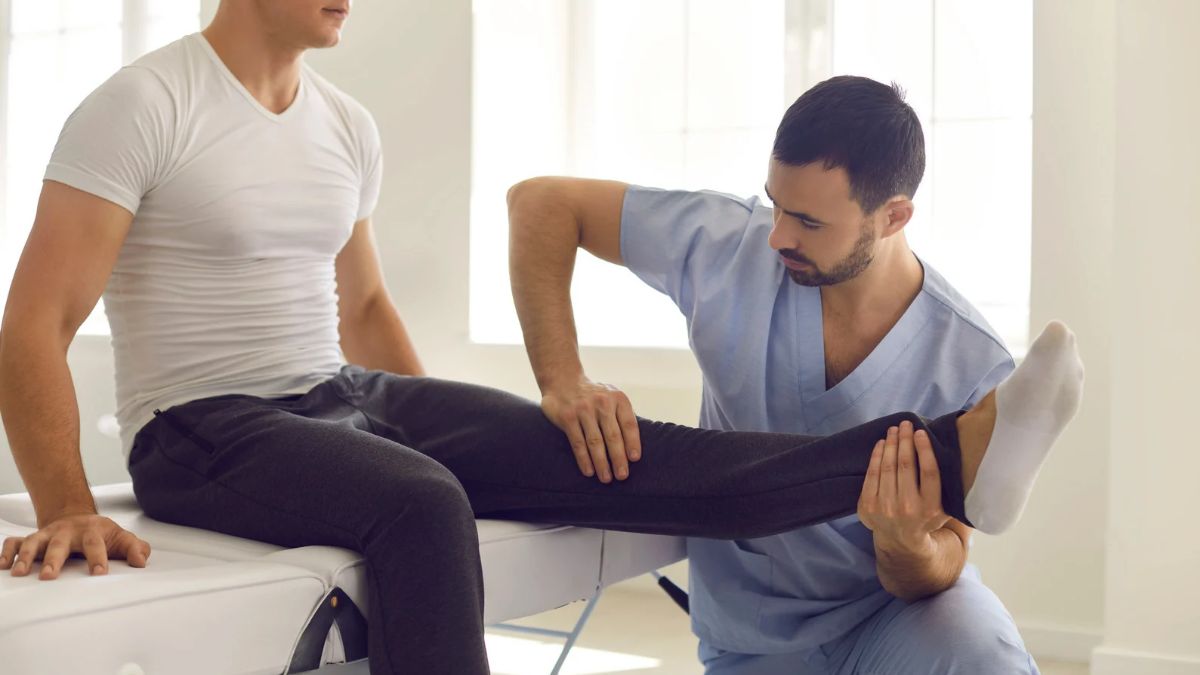
According to the practice, the availability and appropriateness of these treatments are highly dependent on individual clinical evaluations. Orthobiologic therapies are most frequently discussed when a patient experiences persistent joint pain, stiffness, or swelling that has not improved with conservative measures such as rest, physical therapy, or anti-inflammatory medication, but for whom surgery may not yet be necessary.
Because joint pain can originate from multiple overlapping causes, Dr. Watson emphasizes that a thorough in-person examination—frequently accompanied by imaging—is a prerequisite before any treatment recommendation is made.
The treatment process itself varies based on the specific procedure and the patient’s condition. Skyline Orthopedics advises patients to consult with their physician regarding preparation, potential risks, activity restrictions, and necessary follow-up care. Results are individualized, and when improvement does occur, it is typically a gradual process that unfolds over several weeks or months.
The practice notes that some orthobiologic applications are still considered investigational, and insurance coverage can vary. Patients are encouraged to have open discussions about the available clinical evidence, potential benefits, and out-of-pocket costs before proceeding.
Rather than positioning orthobiologics as a universal replacement for surgery, Skyline Orthopedics integrates them into a broader spectrum of care. The practice, located at 10811 W. 143rd St. in Orland Park, is led by Dr. Watson, an orthopedic surgeon specializing in sports medicine and arthroscopy, and Dr. Jacob Stelter, who provides sports medicine and nonsurgical orthopedic care. Together, they assist patients in navigating both surgical and nonsurgical treatment options tailored to their specific diagnoses and recovery goals.
Skyline Orthopedics Highlights Role of Orthobiologics in Joint and Sports Injury Care