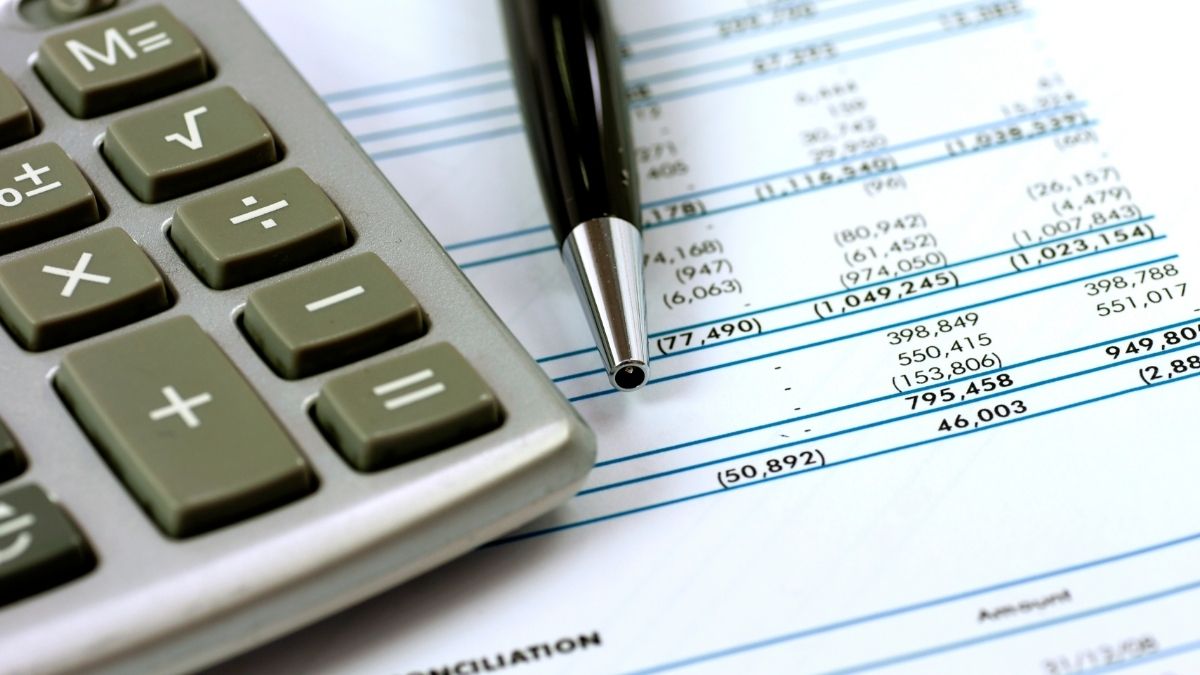
CPS Unveils Balanced $10.25 Billion Budget for 2026, Closing $734 Million Deficit Without Cutting School Funds (Chicago, IL) – Chicago Public Schools (CPS) is set to present a balanced $10.25 billion budget for Fiscal Year 2026, a plan that closes a $734 million deficit while maintaining school budgets, honoring labor agreements, and avoiding mid-year classroom cuts.
The proposed budget, scheduled for a Board of Education vote Thursday, comes after months of hearings and surveys that gathered input from families, staff, and community members. Interim Superintendent and CEO Dr. Macquline King said the plan reflects the district’s promise to protect schools and sustain academic progress.
“This is about protecting students, their future, and the District’s long-term financial health,” King said. “The final District budget allows us to build on the academic momentum of the past few years.”
How CPS Balanced the Books
To close the gap, officials trimmed $320 million through central office and operational reductions, added $45 million from higher-than-expected state funding, and boosted Tax Increment Financing (TIF) revenue assumptions by $79 million. The budget also taps $65 million from a debt service stabilization fund, repurposes a $25 million donation from philanthropist MacKenzie Scott, and applies $25 million in projected grant carryover.
The district will continue to reimburse the City of Chicago for pension obligations only if new state or local revenue materializes.
Academic Progress Remains a Focus
Despite financial strain, district leaders emphasized that the budget safeguards recent gains in literacy and graduation rates. Reading proficiency among elementary students has grown by more than 10 percentage points in two years, and CPS high schoolers are setting records in graduation rates, scholarship awards, and early college credit.
Debt and Funding Challenges
CPS still carries significant long-term obligations, with $9.1 billion in debt and more than $800 million in annual debt service costs — about $28,000 per student. Though credit ratings have improved, CPS remains the nation’s largest municipal “junk bond” issuer, making borrowing more expensive.
Officials warn that structural funding shortfalls remain. The state’s adequacy model shows CPS is funded at only 73 percent of what is needed, down from 81 percent just two years ago. Reaching 90 percent adequacy by 2027 would require nearly $1 billion in additional funding.
Locally, property tax caps and Chicago’s $3 billion in TIF reserves limit revenue growth, even as CPS advocates for a larger share of those funds.
CPS Unveils Balanced $10.25 Billion Budget for 2026, Closing $734 Million Deficit Without Cutting School Funds