Illinois Expands Childhood Testing as Lead Poisoning Prevention Week Begins (Springfield, IL) – The Illinois Department of Public Health (IDPH) is marking Lead Poisoning Prevention Week, October 19–25, by urging parents and caregivers to understand the risks of lead exposure and take steps to protect children from its harmful effects.
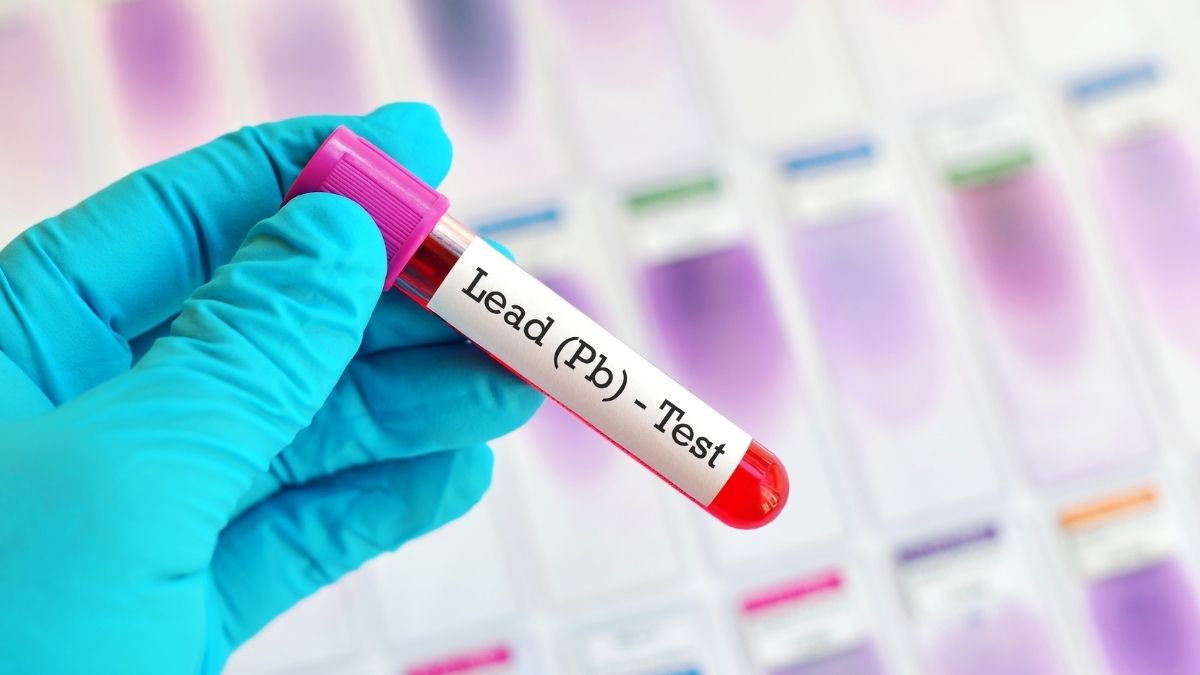
As part of its ongoing efforts, Illinois has expanded childhood blood testing for lead exposure, increasing the number of high-risk ZIP codes where testing is required. The state plans to implement universal testing for all children by 2026.
IDPH Director Dr. Sameer Vohra said the agency’s priority is early detection and intervention. “Protecting our children from the harmful effects of lead exposure is a critical public health priority,” Vohra said. “We continue to expand testing and adopt stricter standards to ensure Illinois’s children stay safe.”
In 2025, Illinois lowered the threshold for medical intervention to a confirmed blood lead level of 3.5 micrograms per deciliter, down from 5 µg/dL. Since adopting this standard, the number of cases requiring intervention has risen by 56%, meaning more children are now receiving home inspections and public health support services.

State data show that since 2010, about 42,000 children—roughly 2.5% of those tested—have shown elevated lead levels. Officials estimate that thousands more could be affected but remain untested.
Lead exposure is most commonly linked to deteriorating paint in homes built before 1978, as well as contaminated soil, lead pipes, and certain imported products. IDPH encourages residents to learn more about potential sources and prevention strategies at the state’s Lead Source Guide and Lead Poisoning Prevention websites
Illinois Expands Childhood Testing as Lead Poisoning Prevention Week Begins